
ContentIntroductionIt always starts the same way. A tiny drip. A faint stain on the ceiling.
Or worse—a loud thud in the middle of the night when a storm reminds you that your roof has a job to do. Suddenly, something you never thought about becomes urgent.
Your home feels vulnerable, and you’re forced into making a decision fast. That’s usually when mistakes happen.
This article is your pause button. Before you make that call, sign that paper, or hand over your credit card, let’s walk through seven smart, real-world life hacks that can save you money, stress, and regret.
Think of this as a flashlight in a dark attic—you’ll see things much more clearly.
Key Takeaways
- Don’t rush roofing decisions—preparation saves money and stress.
- Know your roof basics before talking to professionals.
- Learn simple roofing terms to avoid confusion or upselling.
- Always compare multiple quotes, not just prices.
- Read reviews carefully for patterns, not stars.
- Quality materials matter more than promises.
- Get all details in writing to protect yourself.
Why Roof Decisions Matter More Than You Think
Your roof isn’t just a lid on your house. It’s a shield. It protects your family, your memories, and everything you’ve worked for.
When it fails—or is repaired poorly—the consequences ripple outward. Mold creeps in. Energy bills climb.
Resale value dips.Many homeowners treat roofing decisions like ordering fast food: quick, convenient, and cheap.
But a roof is more like a long road trip. If you don’t plan it properly, you’ll end up stranded halfway, wondering where it all went wrong.
1: Know Your Roof Before Anyone Else Does
Here’s a secret most professionals won’t tell you: the more you know, the better decisions you’ll make.Start simple. What type of roof do you have— asphalt shingles, metal, tile?
How old is it? Has it been repaired before? These answers don’t require expertise, just curiosity. Walk around your house.
Peek into the attic. Take photos.When you understand the basics, you stop feeling like a passenger and start acting like a driver.
Conversations become clearer. Recommendations make more sense. And you’re far less likely to be talked into something you don’t need.
2: Learn the Language of Roofing
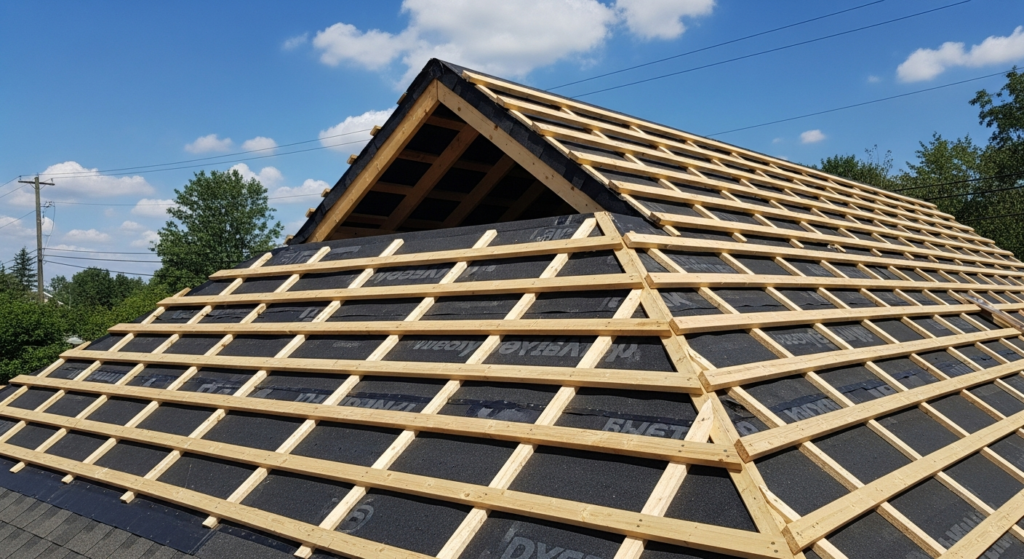
Every industry has jargon, and roofing is no exception. But you don’t need a dictionary—just a cheat sheet.
Words like underlayment, flashing, pitch, and decking might sound intimidating, but they’re simply parts of a system.
Think of your roof like a layered cake. Each layer has a purpose, and skipping one ruins the whole thing.
When you understand the language, you hear more than sales talk. You hear logic. And logic is hard to manipulate.
3: Never Trust the First Quote
Imagine buying the first car you test-drive. No comparisons. No second opinions. Sounds risky, right? Roof estimates work the same way.
Prices can vary wildly—not just in cost, but in what’s actually included. One quote might look cheaper but exclude critical materials or labor steps.
Another might be higher but cover everything properly.
Collect at least three detailed estimates. Line them up side by side. Patterns will emerge. That’s where the truth lives.
4: Reviews Tell a Story—If You Read Them Right
Star ratings are just the headline. The real story is in the comments.Look for details.
Do people mention clear communication? Clean job sites? Missed deadlines?
Repeated complaints are never an accident. Also, pay attention to how businesses respond to negative feedback.
A thoughtful response shows accountability. Silence—or defensiveness—tells you everything you need to know.
5: Materials Matter More Than Promises
Anyone can promise “quality work.” Materials, however, don’t lie.
Ask what brand of shingles will be used. What kind of underlayment. What warranties apply—and who actually honors them.
A great installer using poor materials is like a master chef cooking with spoiled ingredients.
This is where long-term thinking pays off. Better materials mean fewer repairs, better insulation, and longer lifespan.
6: Timing Is a Secret Weapon
Most people don’t realize roofing has seasons. Busy seasons mean higher prices and rushed schedules.
Slower periods often mean better deals and more attention to detail.If your situation isn’t an emergency, timing your project strategically can save thousands.
Flexibility is leverage—and leverage gives you options.
7: Get Everything in Writing
Verbal agreements fade. Paper doesn’t.Your contract should clearly outline scope of work, materials, timeline, payment schedule, and cleanup responsibilities.
If something feels vague, ask for clarification. A solid contract protects both sides. Think of it as a seatbelt—you hope you won’t need it, but you’ll be glad it’s there.
Common Mistakes Homeowners Make
The biggest mistake? Rushing. Fear makes people skip steps. They ignore red flags.
They focus only on price.Another common trap is assuming all professionals work the same way. They don’t.
That’s why preparation matters so much before choosing a roofing contractor for such a critical job.
How Smart Preparation Saves Money and Stress
Picture two neighbors. One jumps at the first offer, stressed and overwhelmed. The other takes a weekend to research, compare, and ask questions. Six months later, one is dealing with leaks and warranty calls.
The other hasn’t thought about their roof once—because it just works. Preparation isn’t extra work. It’s how you buy peace of mind when working with a roofing contractor you can actually trust.

Final Thoughts
Your roof doesn’t ask for attention—until it demands it. When that moment comes, knowledge is your greatest ally.
These seven life hacks aren’t about becoming an expert. They’re about becoming confident.Slow down. Ask better questions.
Trust patterns, not pressure. When you do, the decision stops feeling scary and starts feeling smart.
And that’s how every good home story should end—secure, steady, and dry. ☀️🏠