
Are your kitchen walls feeling sticky and grimy, but the thought of scrubbing them has you dreading a long, tiring chore? You’re not alone.
Grease, food splatters, and humidity can leave your walls coated in a stubborn film that’s tough to remove with just a sponge and elbow grease. But what if you could refresh your kitchen walls quickly and easily—without harsh scrubbing or damaging your paint?
In this guide, you’ll discover simple, effective ways to clean sticky kitchen walls that save you time and effort, leaving your space spotless and fresh. Keep reading to find out how to tackle those sticky walls with gentle solutions and smart techniques that really work.

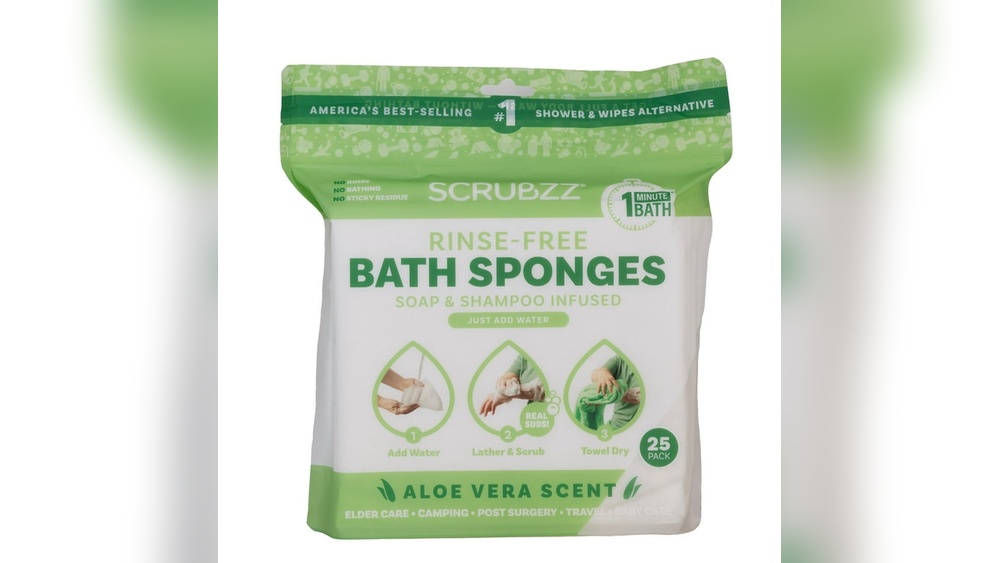
Credit: www.amazon.com
Causes Of Sticky Kitchen Walls
Sticky kitchen walls are a common problem that affects many homes. The stickiness usually comes from different substances that build up on the walls over time. Knowing what causes this can help you find the best way to clean them without scrubbing. Below are the main reasons your kitchen walls may feel sticky.
Grease And Oil Buildup
Cooking releases grease and oil into the air. These tiny droplets settle on walls and create a greasy layer. This layer traps dust and dirt, making the walls feel sticky. Frying and sautéing produce the most grease, especially near the stove area.
Food Particles And Residue
Small food particles often fly around during cooking. These bits stick to the greasy surface on the walls. Over time, this mix of oil and food residue builds up, causing a sticky and sometimes smelly surface. Left untreated, it can become harder to clean.
Humidity Effects
Kitchens often have high humidity because of boiling water and steam. Moisture in the air combines with grease and food residue on the walls. This mix creates a tacky texture that attracts more dirt. Humidity also slows down the drying process, making the stickiness last longer.
Choosing The Right Cleaner
Choosing the right cleaner is key to removing sticky residue from kitchen walls without scrubbing. The wrong cleaner can damage paint or leave marks. The best cleaners dissolve grease gently and rinse off easily. This section guides you through three effective types of cleaners. Each type suits different wall finishes and cleaning preferences.
Mild Dish Soap Solutions
Mild dish soap is a gentle and effective choice. It cuts through grease without harsh chemicals. Mix a few drops in warm water. Use a soft cloth or sponge to wipe the walls. Avoid soaking the surface to prevent damage. Rinse with clean water and dry immediately. This method works well on glossy and semi-gloss paints.
Non-toxic Homemade Cleaners
Homemade cleaners use natural ingredients that are safe and eco-friendly. Common options include vinegar, baking soda, and lemon juice. These break down sticky buildup without strong odors. Combine vinegar with water in a spray bottle for easy application. Test a small area first to check for paint reaction. These solutions are perfect for those who prefer chemical-free cleaning.
Commercial Grease Removers
Commercial grease removers offer powerful cleaning for tough stains. Choose products labeled safe for painted walls. Spray the cleaner lightly and let it sit briefly. Wipe with a soft cloth to lift residue. Avoid abrasive scrubbing to protect wall surfaces. Always follow the product instructions for best results. These removers are ideal for heavy grease problems.
Cleaning Techniques Without Scrubbing
Cleaning sticky kitchen walls can feel like a tough task. Scrubbing often takes time and may damage paint. Luckily, there are easy ways to clean without heavy scrubbing. These techniques save effort and protect your walls. They work well for removing grease and dirt gently.
Using Microfiber Cloths
Microfiber cloths trap dirt without harsh rubbing. Their soft fibers lift grease and grime easily. Dampen the cloth with warm water for better results. Wipe the wall gently in a circular motion. This method avoids scratches and keeps paint safe. Use a clean cloth to dry the area after cleaning. Microfiber cloths are reusable and eco-friendly too.
Spray And Wipe Method
This method uses a gentle cleaning spray to loosen dirt. Mix mild dish soap with warm water in a spray bottle. Lightly spray the sticky wall area and let it sit for a minute. Then wipe with a soft cloth or sponge. The soap breaks down grease without scrubbing hard. Finish by wiping with a damp cloth to remove soap residue. Dry the wall with a towel to avoid streaks.
Steam Cleaning For Walls
Steam cleaning is a chemical-free way to clean sticky walls. The hot steam softens dirt and grease for easy removal. Hold the steam cleaner a few inches from the wall. Move it slowly over the sticky spots without pressing hard. Use a microfiber cloth to wipe away loosened grime. Steam cleaning kills bacteria and refreshes the kitchen air. It is safe for most painted surfaces and saves time.
Tips For Different Wall Finishes
Cleaning sticky kitchen walls requires care based on the wall finish. Different finishes react uniquely to cleaning methods. This guide offers simple tips to clean without scrubbing. Follow these to protect your walls and remove grime effectively.
Glossy And Semi-gloss Walls
Glossy and semi-gloss walls are the easiest to clean. They resist moisture and stains well. Mix a few drops of mild dish soap like Dawn in warm water. Use a soft microfiber cloth or sponge to wipe gently. Move from top to bottom in smooth strokes.
Rinse the area with a clean damp cloth to remove soap residue. Dry immediately with a soft towel to avoid streaks. Avoid harsh scrubbing to keep the shine intact. These walls can handle gentle cleaning without damage.
Flat And Matte Walls
Flat and matte walls need extra caution. They absorb moisture easily and may show marks. Use a very mild soap solution or just plain water. Limit cleaning to small spots rather than the whole surface.
Use a soft cloth and avoid scrubbing or soaking the wall. Wipe gently and dry immediately to prevent water stains and texture changes. This gentle method keeps your walls clean without harming the finish.
Preventing Future Stickiness
Sticky kitchen walls can be frustrating and hard to keep clean. Preventing future stickiness saves time and effort. Simple daily habits keep walls fresh and free from grime. Follow these easy steps to protect your kitchen walls.
Regular Dusting And Wiping
Dust and dirt build up quickly on kitchen walls. Use a soft cloth or microfiber duster to remove dust every few days. Wipe walls gently with a damp cloth to catch sticky spots early. This stops grease and food particles from settling deeply. Regular cleaning prevents the need for tough scrubbing later.
Proper Kitchen Ventilation
Cooking releases steam, grease, and odors that stick to walls. Use an exhaust fan or open windows to reduce moisture and grease buildup. Good airflow helps dry walls faster and stops sticky residue from forming. Ventilation lowers humidity, making your kitchen less prone to sticky walls.
Using Protective Wall Coatings
Apply washable paint or a clear wall sealant in cooking areas. These coatings create a smooth surface that resists grease and stains. They make cleaning easier with just a wipe of a damp cloth. Protective coatings protect your walls from stickiness and extend their life.

Credit: www.walmart.com
Common Mistakes To Avoid
Cleaning sticky kitchen walls without scrubbing saves time and effort. Avoiding common mistakes helps protect your wall surfaces and keeps them looking fresh. These errors can cause damage or leave residue behind. Understanding what not to do ensures a smooth cleaning process and better results.
Over-wetting Walls
Using too much water can harm paint and drywall. Excess moisture seeps into the wall, causing stains or peeling. It may also create mold or mildew problems. Apply cleaning solutions sparingly with a damp cloth or sponge. Always dry walls immediately after cleaning to prevent damage.
Using Abrasive Tools
Scrubbing with rough brushes or scouring pads scratches paint and finishes. These tools strip protective layers and leave marks. Choose soft microfiber cloths or gentle sponges instead. They clean effectively without harming the surface. Gentle wiping is better for delicate kitchen walls.
Ignoring Test Spots
Skipping a test spot can lead to unexpected damage or discoloration. Test your cleaner on a small, hidden area first. This step reveals how the wall reacts to the solution. Adjust your method if you see fading, bubbling, or streaks. Testing protects your walls and avoids costly repairs.
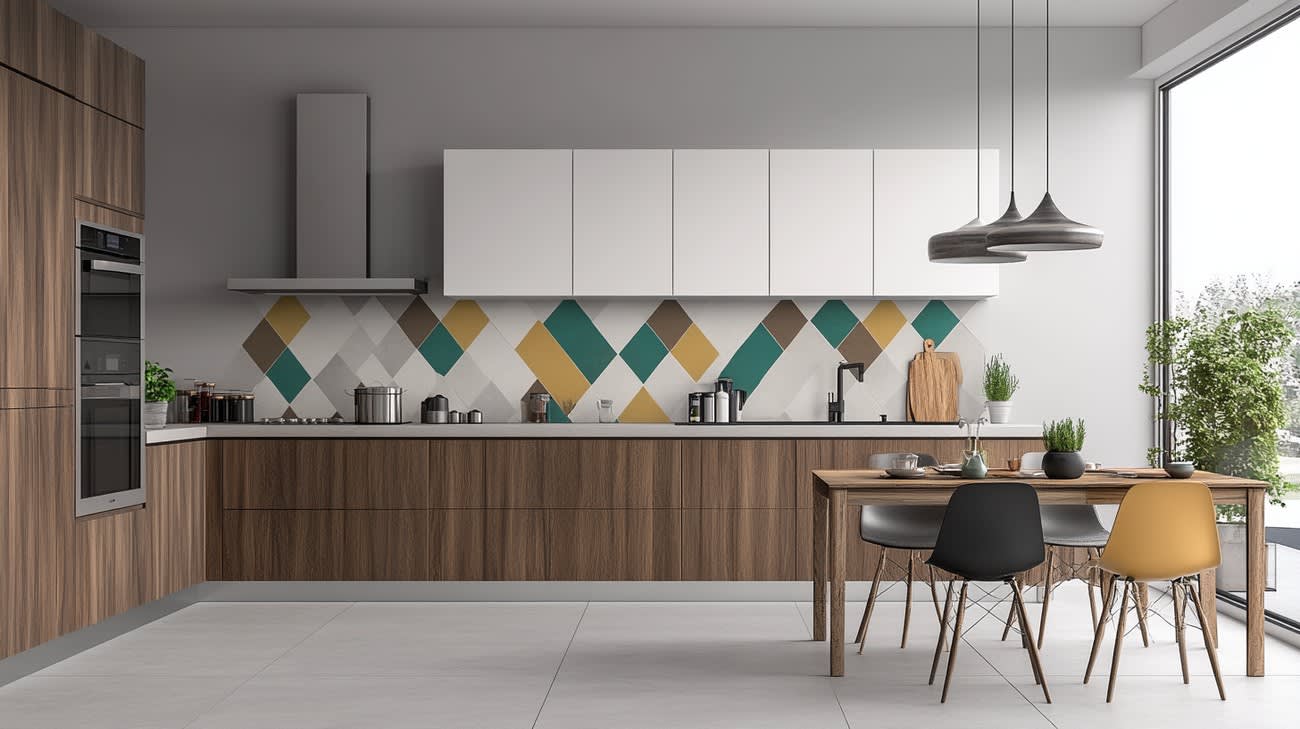
Credit: www.gvdrenovationsinc.com
Frequently Asked Questions
What Is The Best Cleaner For Greasy Walls?
The best cleaner for greasy walls is a mild detergent mixed with warm water, such as diluted Dawn dish soap. Use a soft cloth or sponge to gently wipe the surface. Rinse with clean water and dry immediately to avoid streaks and damage.
Always test first.
Why Are My Kitchen Walls Sticky?
Kitchen walls feel sticky due to grease, oil, and food residue from cooking. Humidity traps this grime, creating a sticky layer that attracts dirt and odors. Regular cleaning with mild detergent helps prevent buildup and keeps walls fresh.
Can You Use Dawn Dish Soap On Painted Walls?
Yes, dilute Dawn dish soap with warm water before cleaning painted walls. Use gently on flat or matte finishes. Wipe with a soft cloth, rinse, and dry immediately to avoid streaks or damage. Always test on a small area first for safety.
What Can I Clean My Walls With That Won’t Leave Streaks?
Clean walls streak-free using a few drops of mild detergent mixed with warm water. Wipe gently with a soft microfiber cloth, rinse with a damp cloth, and dry immediately. Avoid over-wetting and abrasive tools to keep surfaces smooth and streak-free.
What Causes Kitchen Walls To Become Sticky Over Time?
Kitchen walls get sticky due to cooking oils, grease, and food splatters. Humidity also helps grease stick to surfaces, creating a sticky layer. This buildup attracts dust and makes walls look dirty.
Conclusion
Cleaning sticky kitchen walls does not require hard scrubbing. Use gentle solutions like diluted dish soap and warm water. Always test cleaning mixtures on a small area first. Wipe walls softly with a microfiber cloth or sponge. Rinse with clean water and dry immediately to avoid streaks.
Avoid harsh tools that can damage paint. Regular light cleaning keeps walls fresh longer. Simple steps save time and effort. A clean kitchen feels more comfortable and inviting. Try these easy methods to keep your walls spotless without stress.