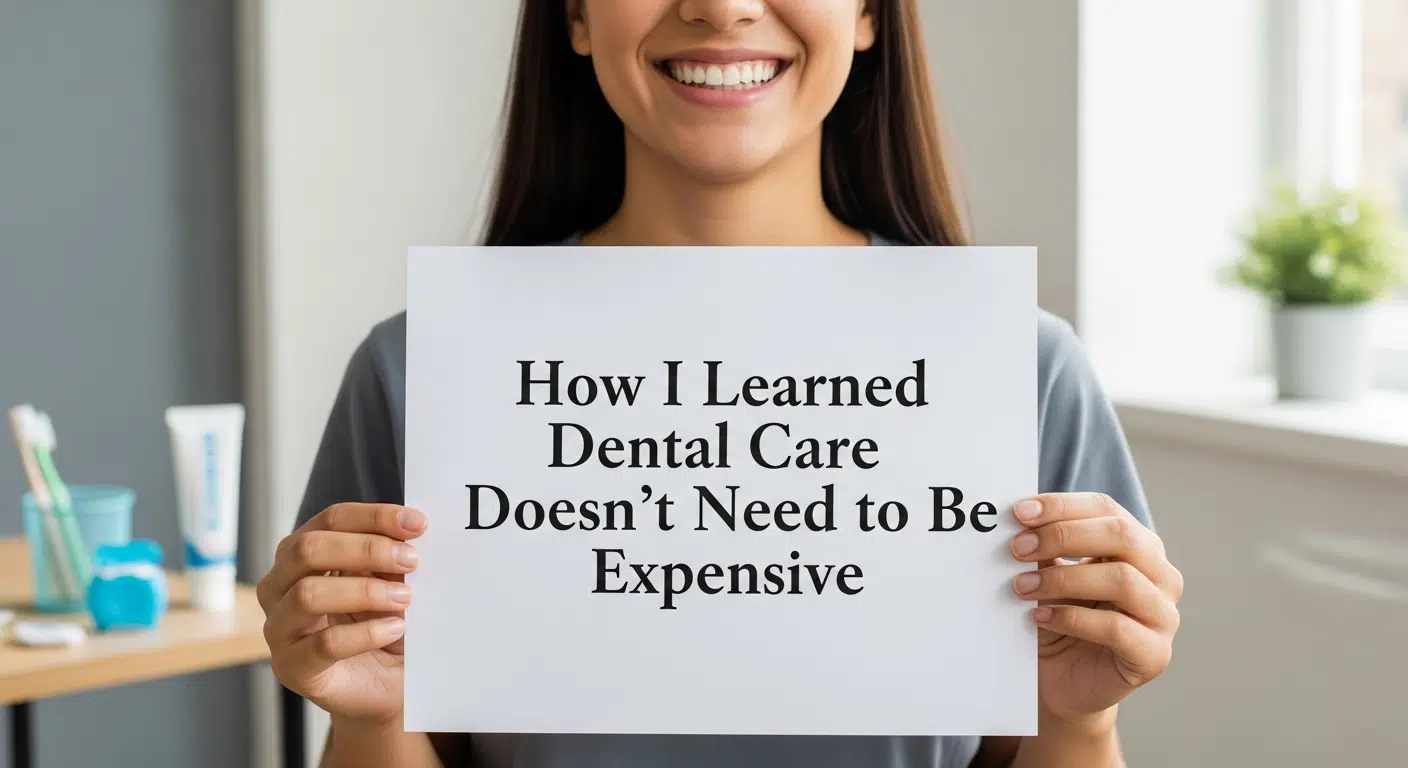
I still remember the day a small toothache turned into a big dental bill. At first, it felt harmless. I ignored it, hoping it would fade. It didn’t.
When I finally sat in the dental chair, I realized most of the damage could have been avoided at home. That moment changed how I think about dental care.
Many people believe good dental care costs a lot of money. I believed that too. Over time, I learned a simple truth.
Daily habits matter more than expensive treatments. Small actions, done regularly, protect your teeth better than any fancy product.

What Dental CE Courses Teach Us About Prevention
Dental professionals spend years learning how small habits affect oral health. Much of this knowledge comes from ongoing education like Dental CE Courses.
These programs focus heavily on prevention, early detection, and patient education rather than costly procedures.
One key lesson stands out clearly. Most dental problems begin quietly at home.
Poor brushing habits, skipped flossing, and sugar-heavy diets slowly damage teeth. Dentists often see the same patterns repeated again and again.
The good news feels encouraging. Simple home care routines prevent most of these issues before they become expensive problems.
This preventive mindset shapes everything that follows in this guide.
Why Dental Care Feels Expensive
Dental care often feels expensive because problems stay hidden for a long time. Teeth don’t always warn you early.
By the time pain shows up, treatment becomes urgent and costly. This delay creates the idea that dental care drains money.
Another reason is marketing pressure. Store shelves are full of pricey products promising fast results. Many people feel they need them all.
In reality, most dental problems come from skipped routines, not missing products.
The Real Cost of Ignoring Oral Health
Ignoring oral health feels easy at first. Nothing hurts. Nothing seems wrong. But damage builds quietly. Plaque hardens. Gums weaken. Small issues grow into bigger ones.
The real cost isn’t just money. It’s discomfort, stress, and time lost. Prevention always costs less than repair. A few minutes each day can save months of treatment later.
Daily Dental Habits That Cost Nothing
Some of the best dental habits cost nothing at all. Brushing twice a day is free once you own a toothbrush.
Timing matters more than products. Morning brushing removes overnight buildup. Night brushing clears the day’s damage.
Rinsing your mouth with water after meals also helps. It washes away food particles and reduces acid levels.
These small habits create a strong foundation for oral health.
Smart Toothbrushing Techniques Most People Miss
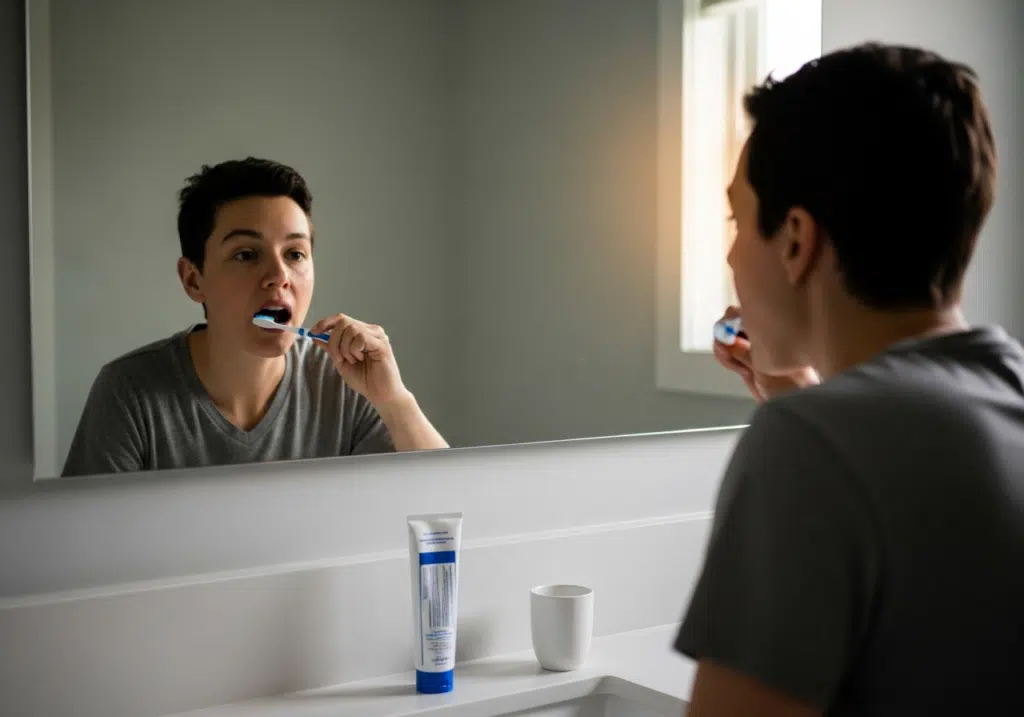
Many people brush daily yet still face dental issues. Technique often causes the problem. Brushing too hard damages enamel and irritates gums. Gentle pressure cleans better and protects teeth.
Angle the brush slightly toward the gum line. Plaque hides there easily. Spend at least two minutes brushing. A timer helps if time slips away.
Affordable Flossing and Cleaning Hacks
Flossing removes debris brushing leaves behind. Some people skip it, thinking it costs too much or takes too long. Basic floss works perfectly well.
Floss once daily, preferably at night. Be gentle and patient. This habit alone prevents many gum problems and saves future costs.
Kitchen Ingredients That Support Oral Health
Your kitchen already holds helpful dental tools. Saltwater rinses calm gums and reduce swelling. Warm water works best.
Baking soda helps remove surface stains when used occasionally. Once a week works fine.
Oil pulling may feel strange, but it helps reduce bacteria levels when done correctly.
Food Choices That Protect Your Teeth
Food affects teeth every single day. Crunchy fruits and vegetables clean surfaces naturally. Apples and carrots boost saliva flow.
Dairy products support tooth strength. Water balances acids in the mouth.
Sugary snacks cause damage when eaten often. Fewer snacks mean fewer problems.
Bad Dental Habits to Quit Today
Some habits damage teeth silently. Nail biting chips enamel. Ice chewing causes cracks.
Using teeth as tools weakens them quickly.
Late-night snacking feeds bacteria while saliva drops.
This increases decay risk. Awareness helps break these habits slowly and safely.
Creating a Low-Cost Dental Care Routine
A simple routine removes confusion and saves time. Morning care should include brushing and a quick rinse.
Night care matters more. Floss first, then brush, then rinse.
Stick to the basics. Skip unnecessary steps that feel hard to maintain.
A routine that feels easy will last longer and protect your teeth better over time.
Teaching Kids Dental Care on a Budget
Kids learn by watching adults. When they see you care for your teeth, they follow naturally. Brushing together turns it into a shared habit.
Make it fun. Songs help with timing. Positive words work better than fear. Affordable toothbrushes work well if replaced regularly. Building habits early reduces future dental costs.
When Home Care Is Not Enough
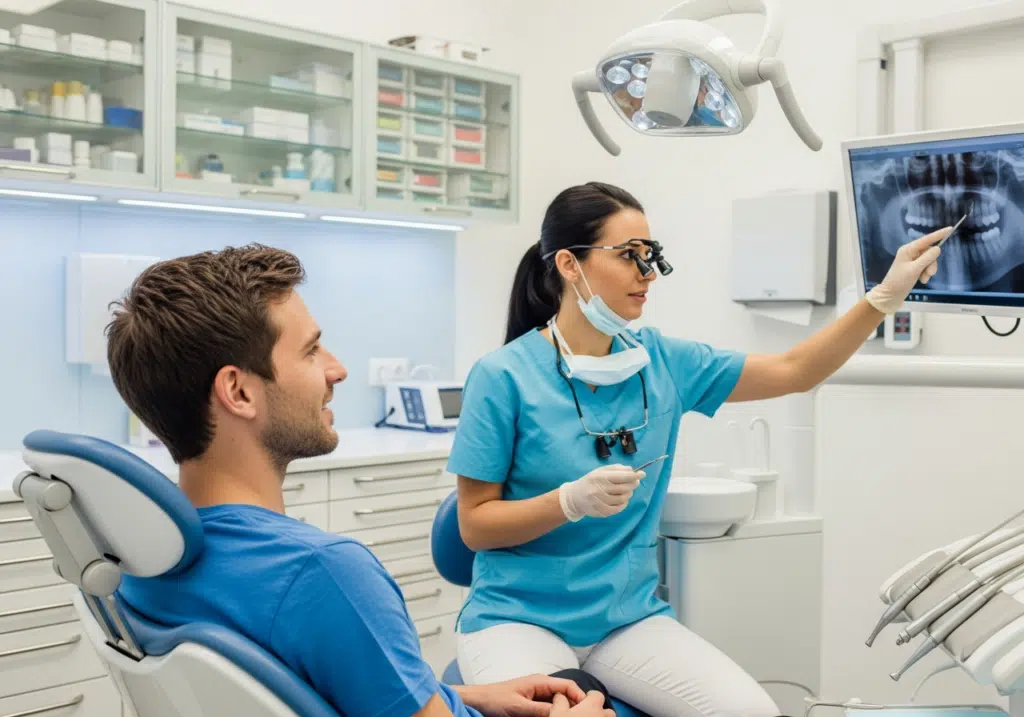
Home care helps daily health, but limits exist. Bleeding gums, swelling, or lasting pain need professional care.
Dental professionals keep learning through Dental CE Courses to guide patients properly. Home habits and professional care work best together.
Final Thoughts
Dental care doesn’t depend on money. It depends on consistency. Small daily actions protect your smile more than expensive treatments.
I learned this after mistakes. You don’t need to. Start simple. Stay patient. Your future smile will reflect every effort you make today.